
Athens often looks straightforward on a map until the first transfer. A hotel in one district, a museum in another, and a seaside dinner all sound close enough, yet the day can unravel if the route is chosen badly. That is why an athens metro guide for tourists is less about lines and more about small decisions that save time, heat, and confusion.
The good news is that the metro is one of the easiest ways to cross the city once the logic clicks. Stations are clean, signs are clear, and the system reaches many places visitors actually want to see. Still, the difference between a smooth ride and a frustrating one often comes down to timing, ticket choice, and knowing when the metro should be part of the plan rather than the whole plan.
How the metro fits Athens travel
The Athens metro works best as the backbone of a sightseeing day. It is ideal for moving between central areas such as Syntagma, Monastiraki, Acropoli, and Omonoia, especially when the heat makes a long walk feel like a poor idea. A family leaving a hotel near Syntagma for the National Archaeological Museum, for example, can get there far more easily by rail than by trying to read the city on foot.
For visitors choosing where to stay in Athens, the metro can shape the decision as much as the neighborhood itself. A place near a station often makes arrivals, museum days, and evening plans easier, especially if the trip includes luggage or children. In a city where a five-minute taxi ride can become a twenty-minute wait, that matters more than it first seems.
The system is not designed for every single landmark, though. Some places are a short walk from the station, and others still ask for a bus, a taxi, or a hillside stroll. The trick is to think of the metro as the most reliable middle piece, not a complete answer to every route.
Which stations matter most for first-time visitors?
Syntagma is the easiest place to orient yourself because it sits at the center of everything and connects well with the rest of the network. Monastiraki is just as useful for its access to Plaka, the old market area, and many of the streets that visitors naturally want to wander. Acropoli is the station that puts you closest to the museum zone and the foot of the rock.
These names start to make sense quickly when paired with ordinary plans. A morning coffee near Syntagma, a walk through Monastiraki, and lunch near Plaka can all sit on the same metro line of thought. Even the Panathenaic Stadium and the Temple of Olympian Zeus become easier to place once the central stations are familiar.
A little extra comfort comes from knowing where the exits lead. Station names are usually clear, but the exit you choose can save a surprising amount of walking. If the goal is a hotel on a side street or a ticket window by a museum gate, checking the exit board before going up the escalator can be the difference between strolling and circling.
Tickets, passes, and the questions people ask too late
Most tourists do not need to overcomplicate fares. A simple airport arrival, a few days of sightseeing, and some combination of metro, bus, or tram usually call for the most practical ticket option rather than a complicated long-term pass. The right choice depends on how many rides the trip will include and whether the airport is part of the plan.
The common mistake is buying too much or too little. Someone who plans one big museum day, a beach outing, and a dinner in the center may need something different from a couple staying almost entirely in the old town. A metro counter employee or a ticket machine can help, but it helps even more to know your rough pattern before stepping up to the screen.
Paper tickets and card-based systems can feel a little awkward the first time, especially after a long flight. The process is usually simpler than it appears, and the machines are used to foreign visitors fumbling with euros and language choices. If the queue is long at Syntagma, it is often wiser to buy before the morning rush than to stand there while a tour group stacks up behind you.
What to watch for underground
Crowds, timing, and the human side of the ride
The metro feels easiest outside the heaviest commuting times. Late morning is calmer than early rush hour, and mid-afternoon can be friendlier than the first wave of people heading home. A suitcase, a child’s backpack, or a hot day will make the difference more obvious.
It also helps to keep an eye on the station atmosphere rather than only the train schedule. Athens is generally straightforward for visitors, but like any large city, a crowded carriage near a busy station calls for basic care with phones and wallets. Keeping one hand on a bag while a map is open on the other phone screen sounds ordinary, yet it avoids avoidable stress.
Signs, stairs, and the parts no brochure mentions
Some stations involve more walking than the map suggests. Long escalators, platform changes, and a few stairs with no elegant shortcut can turn a short hop into a small endurance test. That is one reason comfortable shoes matter even on a metro day.
This is where practical packing wins over stylish optimism. Light layers, a bottle of water, and shoes that can handle polished floors and pavement both make a city day smoother. If the plan includes an evening uphill walk, maybe to Filopappou Hill for sunset, the right shoes matter even more than the train ride itself.
When the metro is not the best answer
Not every outing needs to be forced onto the metro map. A stay in neighborhoods such as Pangrati or Exarchia can be more enjoyable when the day is partly walked, partly rode, because those areas are as much about atmosphere as transport. A neighborhood lunch, a café stop, and a slow wander often make more sense there than repeated station changes.
The same is true for some longer theme days. If the plan includes the National Archaeological Museum Athens highlights and a quiet afternoon in nearby streets, a bus or a taxi may fit better for the final stretch. On the other hand, if the day is built around shopping, dinner, and the central squares, the metro remains the cleanest way to avoid traffic.
Weather matters as well. On a rainy day, indoor attractions become more appealing, and the metro can be the simplest way to stitch them together without arriving damp and irritated. A day that starts at a museum, shifts to a café, then ends at a covered market is often easier by rail than by road.
A few common mistakes that are easy to avoid
People often underestimate how much walking sits between stations and sights. The map may show a museum close to a stop, but hills, crossings, and detours around traffic can add time. That is especially true in summer, when a “short stroll” can feel more like a test of will than a pleasant transfer.
Another mistake is assuming every area is equally convenient by metro. For example, a district may be excellent for dinner or nightlife while still being less direct for museum hopping. When deciding where to stay in Athens choosing a neighborhood, the station nearby is only one part of the picture - street layout, noise, and the shape of the day all matter too.
Sometimes visitors treat transport as a chore and miss the chance to build the day around it. A family with teenagers might split a morning between the metro and a themed outing, then add something active later so nobody feels stuck in a museum all afternoon. That is one reason athens with teenagers best activities often work better when they mix movement, food, and one clear landmark rather than trying to do everything in a single sweep.
Making the city feel smaller
A good metro plan can turn Athens from sprawling to manageable. It can also free up energy for the parts people actually remember, such as a pastry in Monastiraki, a slow lunch in Plaka, or a walk toward the Acropolis viewpoint before sunset. The transport itself should disappear into the background.
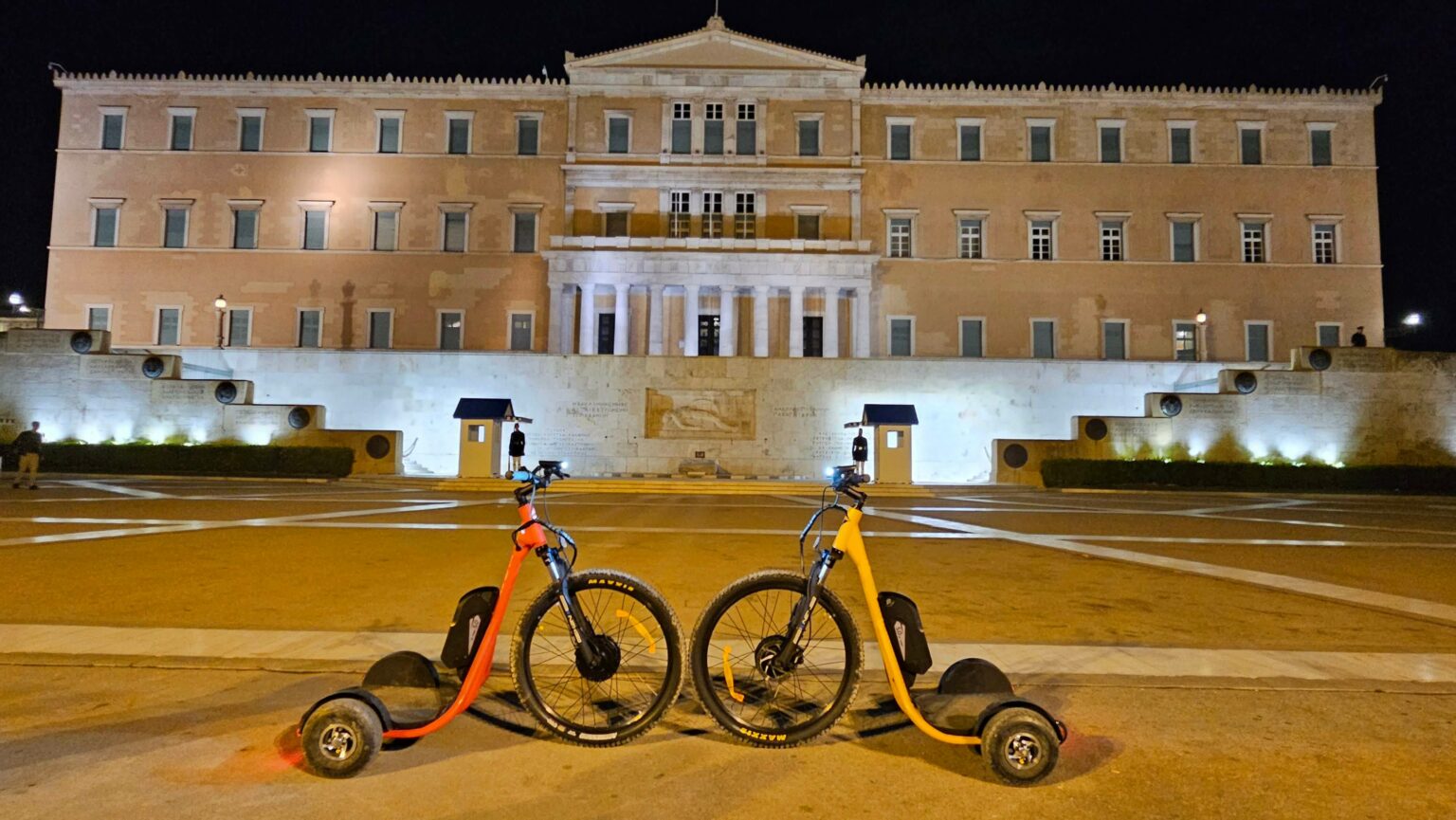
That is also why some visitors combine rail travel with a guided ride or a more relaxed local outing. A company such as Ayo Tours Athens, for instance, can fit naturally into a day where the metro handles the transfer and a guided e-trike tour fills in the gaps between the ancient center and the modern streets. The point is not to replace the metro, but to use it where it makes sense and let other options cover the rest.
For couples, the rhythm can be especially pleasant when the day is built around small transitions rather than long, exhausting crossings. A morning museum, a station hop, and a late afternoon walk can leave room for athens for couples romantic activities beyond dinner, like a rooftop coffee or a quiet viewpoint before evening. That balance is often what makes a city stay feel memorable rather than merely efficient.
A useful Athens trip rarely depends on learning every line by heart. It depends on a few clear station names, one sensible ticket choice, and the willingness to let the metro do what it does best. Once that clicks, the city becomes easier to read, and the rest of the day opens up with far less effort.
Frequently asked questions
Is the Athens metro good for tourists?
Yes, it is usually a practical choice for getting around central Athens. The system is straightforward once you learn the main stations, and it can save time and energy compared with walking long distances in the heat. It is especially useful for museum visits, hotel transfers, and trips between busy downtown areas.
Which Athens metro stations are most useful for sightseeing?
Syntagma, Monastiraki, and Acropoli are the stations most visitors use first. They put you close to major squares, the old town, and the area around the Acropolis. From there, many popular sights are either within walking distance or easy to reach with a short connection.
How do tourists buy metro tickets in Athens?
Tickets are usually bought from station machines or service counters. The best option depends on how many rides you plan to take and whether you are traveling to or from the airport. If you are unsure, it helps to think through your schedule before you buy so you do not overpay or end up short on rides.
Is the Athens metro easy to use with luggage or children?
It can be manageable, especially on routes between central areas and hotels near stations. That said, crowded times and stairs can make the trip less comfortable with bags or young children. If you are traveling with family or several suitcases, it is worth checking station access and timing before you go.
What should tourists avoid when using the Athens metro?
The biggest mistakes are traveling during rush hour, choosing the wrong exit, and assuming every attraction is right outside the station. Some places still require a short walk or another ride after you get off the train. It also helps to keep an eye on your belongings in busy stations and on crowded cars.