
You land in Athens with three days, a phone full of half-remembered recommendations from a cousin's trip in 2019, and a nagging feeling that you're going to miss something important. That feeling is fair. Athens is one of those cities where the "must-see" list keeps growing the moment you start reading about it, and the real challenge isn't finding things to do in Athens, Greece - it's figuring out which ones actually deserve a spot on your short, sunburned, sandal-worn itinerary.
Most people arrive with the Acropolis circled in red and not much else planned. That works fine for a half-day, but Athens rewards people who dig a little further - into the food, the neighborhoods, the smaller ruins nobody photographs for Instagram, and the parts of the city that feel lived-in rather than staged for tourists. The trick is balancing the big, obvious landmarks with the quieter experiences that end up being the ones you actually talk about when you get home.
Start With the Acropolis, But Know What You're Walking Into
The Acropolis is not optional, and it shouldn't be - the Parthenon really is as striking in person as every photo promises. But first-time visitors often underestimate two things: the heat and the crowds. Arriving right at opening time, or in the last two hours before closing, makes a real difference, especially from June through August when the marble reflects sun like a mirror and there's barely any shade on the climb up.
Buying tickets in advance saves an hour of standing in line that could otherwise go toward lunch in Plaka. It also helps to treat the Acropolis as one stop in a larger loop rather than an isolated errand - the surrounding hill is dotted with viewpoints, and the Ancient Agora just below is often half-empty even when the main site is packed. Wandering through the Agora's old marketplace ruins, with the Temple of Hephaestus still remarkably intact, gives a sense of daily ancient life that the Acropolis, built for gods and ceremony, doesn't quite offer.
The Neighborhoods That Make Athens Feel Like a City, Not a Museum
Plaka is where most people end up wandering after the ruins, and it earns the reputation - narrow lanes, bougainvillea spilling over balconies, small tavernas with three tables on the sidewalk. It can feel a bit polished in the most touristy stretches, so it's worth pushing a few blocks further from the main pedestrian path to find the quieter corners locals actually use.
Monastiraki, right next door, is a different animal entirely - louder, scrappier, full of flea market stalls selling everything from old vinyl to Greek coffee pots. Saturday mornings are the best time to catch the market at full volume, with vendors laying out antiques on blankets along Ifestou Street. Between the two neighborhoods, you get a fair sample of Athens as both postcard and working city, which is really the whole point of visiting rather than just seeing it in photos.
What to Eat, and Why the Souvlaki Debate Matters More Than It Should
Ask ten Athenians whether souvlaki or gyro is better and you'll get eleven answers, usually delivered with some passion. The short version: souvlaki is skewered grilled meat, gyro is the shaved, rotisserie-cooked version wrapped in pita with tomato, onion and tzatziki. Both are excellent, both cost a few euros, and both are best eaten standing at a counter rather than seated at a tourist-priced restaurant table.
Beyond the wrap-and-go classics, Athens food is worth building actual time around - a slow lunch of grilled octopus and fried zucchini near the port neighborhoods, a late breakfast of bougatsa (custard pastry dusted with sugar and cinnamon) from a bakery that's been doing the same thing for decades. Food here isn't a side activity to sightseeing. In a city this old, a good meal is its own kind of history lesson, since so many dishes trace back centuries with barely a tweak to the recipe.
Family Travel: Keeping Kids Engaged Without Wearing Everyone Out
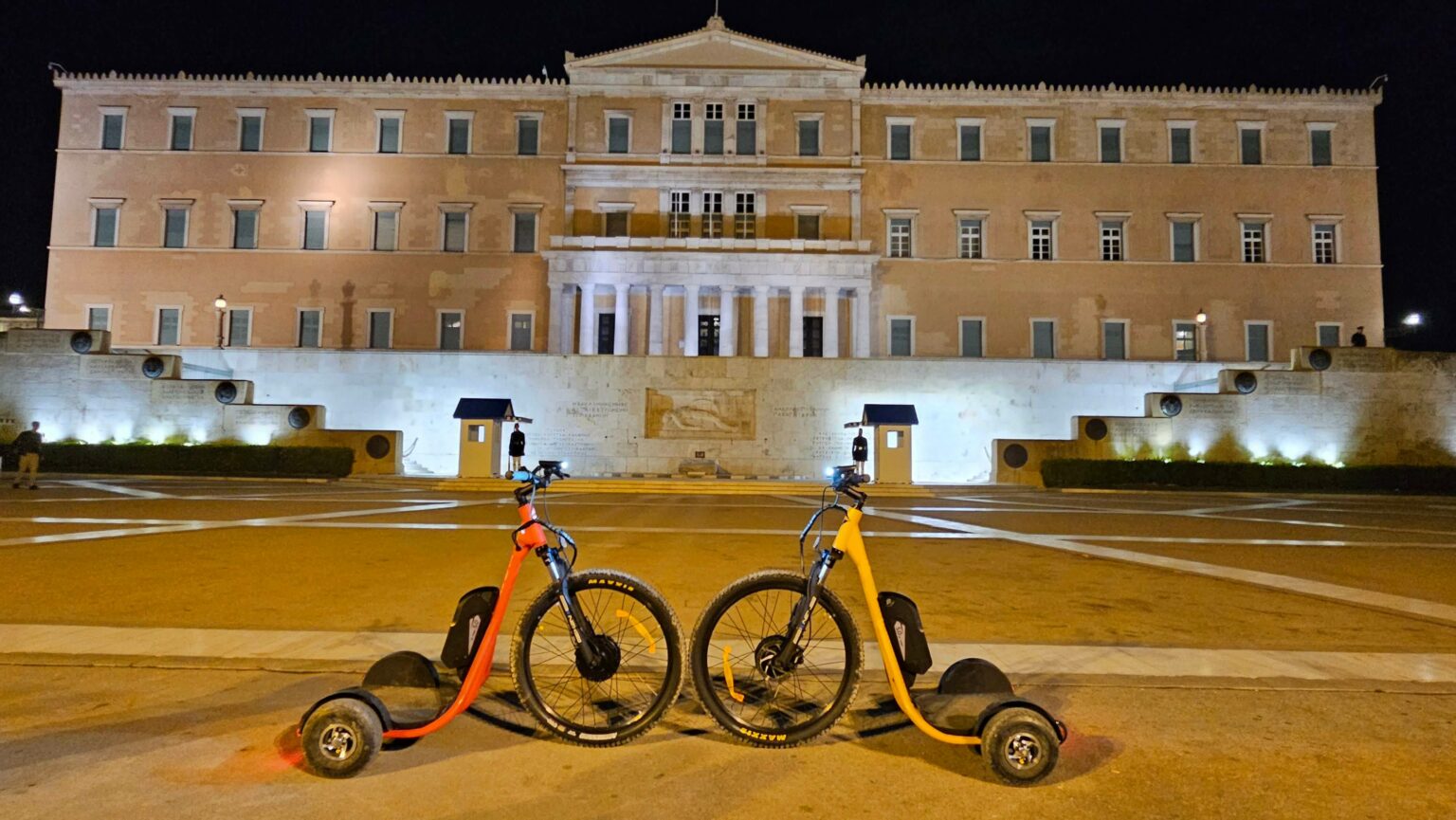
Athens with kids works better than people expect, but it requires accepting that a five-year-old has a different definition of "interesting ruin" than an adult does. The trick is mixing in movement and novelty - the changing of the guard at Syntagma Square, with its slow-motion marching and pompom shoes, tends to fascinate children far more than any plaque describing a temple's construction date.
Long walks in July heat, though, are where family trips usually fall apart. Kids overheat faster than adults, and a stroller on cobblestones is its own small ordeal. This is where alternatives to walking start to matter - some families rent bikes, others break the day into short outdoor bursts with long shaded lunches in between. A guided tour on an electric trike, which needs no balancing and no pedaling effort, has become a popular option for exactly this reason, letting kids as young as five ride along with a parent while covering ground that would otherwise mean an exhausting trek under the sun.
Beating the Heat Without Losing a Day of Sightseeing
Summer in Athens is genuinely hot, often past 35 degrees Celsius by early afternoon, and pretending otherwise is how trips get cut short by heat exhaustion. The realistic approach is front-loading outdoor activities into the morning, retreating indoors or into shade during peak hours, and picking up again in the golden evening light, which happens to be the best time for photography anyway.
Museums make natural midday refuges - the Acropolis Museum has excellent air conditioning and enough on two floors to fill two unhurried hours. Rooftop bars across Plaka and Monastiraki offer another option: a cold drink with the Acropolis lit up in the distance as the sun goes down. If visiting outside summer, say in April or October, the pressure eases considerably, which is part of why many seasoned travelers consider shoulder season the best time to visit Athens overall.
Beyond the Postcard: A Few Places Most Visitors Skip
The Panathenaic Stadium, built entirely of white marble and host to the first modern Olympics in 1896, gets far less attention than the Acropolis despite being a five-minute walk from the National Garden. Standing in the curved seating, imagining sixty thousand people packed in over a century ago, is one of those quiet surprises that doesn't show up on most itineraries.
For something further off the usual path, the neighborhood of Anafiotika, a tiny cluster of whitewashed Cycladic-style houses tucked into the Acropolis hillside, feels transplanted from a Greek island rather than the middle of a capital city. Few tour groups make it up there, which is exactly the appeal.
Two Days or Three: Building an Itinerary That Actually Fits
A two day itinerary should lean hard on the essentials - Acropolis and Agora on day one, Plaka and Monastiraki with a food-focused evening, then the National Garden, Panathenaic Stadium and Syntagma on day two, closing with sunset from a rooftop. Stretch that to three days and there's room to slow down, add a cooking class, a coffee tour through Athens's serious café culture, or a full day trip to Cape Sounio for the coastal Temple of Poseidon.
However the days get divided, it helps to think in loops rather than checklists - clustering sights by neighborhood so you're not crossing the city back and forth in the heat. A tour with a local guide, whether on foot or on wheels, tends to solve this automatically, since routes are usually built around efficient walking or riding distances rather than a tourist's best guess.
Athens rewards curiosity more than rigid planning. The Acropolis will always be the headline, and rightly so, but the things to do in Athens, Greece that people remember longest are often the smaller moments in between - a market stall, a rooftop view, a wrap eaten standing up at 11pm. Build the trip around a few solid anchors, leave room to wander, and let the city fill in the rest.
Frequently asked questions
What are the top things to see in Athens?
The Acropolis and Parthenon are iconic must-sees, while the Ancient Agora and Temple of Olympian Zeus offer deeper views of ancient life. For modern Athens, explore Plaka's narrow lanes and bougainvillea-draped balconies, or head to Monastiraki for a livelier atmosphere and weekend flea markets.
How long should I spend in Athens?
Three days allows time for the main landmarks, neighbourhood wandering, and trying local food without feeling rushed. However, many visitors find that spending longer lets you move beyond the popular tourist spots and discover the quieter parts of the city.
Is Athens good for families with children?
Yes, but plan around the heat and pace differently than you would for adults. Kids often enjoy sights like the changing of the guard at Syntagma Square more than long walks through ruins. Electric trike tours work well for families since there is no pedalling, hills are effortless, and children as young as five can ride with a parent.
What food should I eat in Athens?
Try souvlaki (grilled skewered meat) or gyro (rotisserie meat) from a counter rather than tourist restaurants. Beyond these classics, hunt for grilled octopus near the port, bougatsa (custard pastry) from historic bakeries, and slow meals that let you experience Greek food as part of the city's history.
How do I avoid the crowds at the Acropolis?
Visit right at opening time or in the last two hours before closing, especially during summer months. Buy tickets online in advance to skip long queues, and consider exploring the Ancient Agora nearby, which is often quieter even when the main Acropolis site is packed.